Digestive System of Different Phylum's
  • Home
  • Worksheet
  • Luke
    • Chordata >
      • Great White Shark- Carcharodon carcharias
      • Brown Bear- Ursus arctos
      • Bald Eagle- Haliaeetus leucocephalus
    • Anthropoda >
      • King Baboon Tarantula- Pelinobius muticus
      • American Lobster- Homarus americanus
      • Arizona Bark Scorpion- Centruroides sculpturatus
    • Cnidaria >
      • Lions Mane Jellyfish- Cyanea capillata
      • Fire Coral- Millepora alcicornis
      • Carribean Anemone- Condylactis gigantea
  • Nick
    • Platyhelminthes >
      • Tiger Flatworm-Pseudoceros crozieri
      • Blood Fluke-Schistosoma
      • New Zealand Flatworm-Arthurdendyus triangulatus
    • Mollusca >
      • Vampire Squid-Vampyroteuthis infernalis
      • Garden Snail-Cornu aspersum
      • Blue Ringed Octupus-Hapalochlaena
    • Echinodermata >
      • Sea Urchin-Echinoidea
      • Sea Cucumber-Holothuroidea
      • Star Fish-Asteroidea
  • Chris
    • Annelida >
      • Earth Worm-Lumbricus Terrestris
      • Medicine leech-Hirudo Medicinalis
      • Clam Worm- Alitta Succinea
    • Nematoda >
      • Hookworm-Lumbricus Terrestris
      • Roundworm-Ascaris Lumbricoides
      • Whipworms-Trichuris Trichiura
    • Porifera >
      • Loggerhead Sponge-Spheciospongia Vesparium
      • Dark Volcano Sponge-Pseudaxinella Zeai
      • Azure Vase Sponge-Callyspongia Plicifera

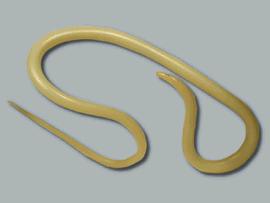
Roundworm-Ascaris Lumbricoides 

Picture
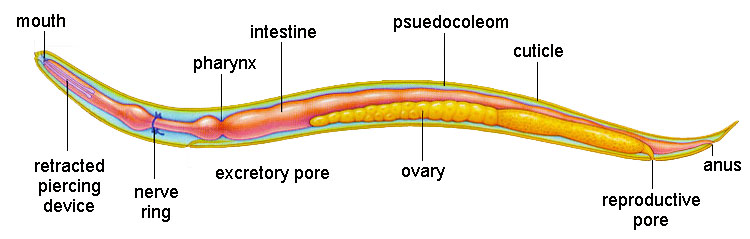
The digestive system of a roundworm is just like most other worms within its phylum. It latches onto its prey, and gets food from the mouth. The food moves through the pharynx into the intestine, where it is again released through pores. The food mainly goes through the reproductive pore, excretory pore, and the  psuedocoleom. These pores help the roundworm function properly, reproduce, and prevent the roundworm from starving respectively. 
Picture
Powered by Create your own unique website with customizable templates.
